Team event or team development?
Team event or team developement? How companies choose the right format to boost motivation, foster collaboration and achieve measurable team results.
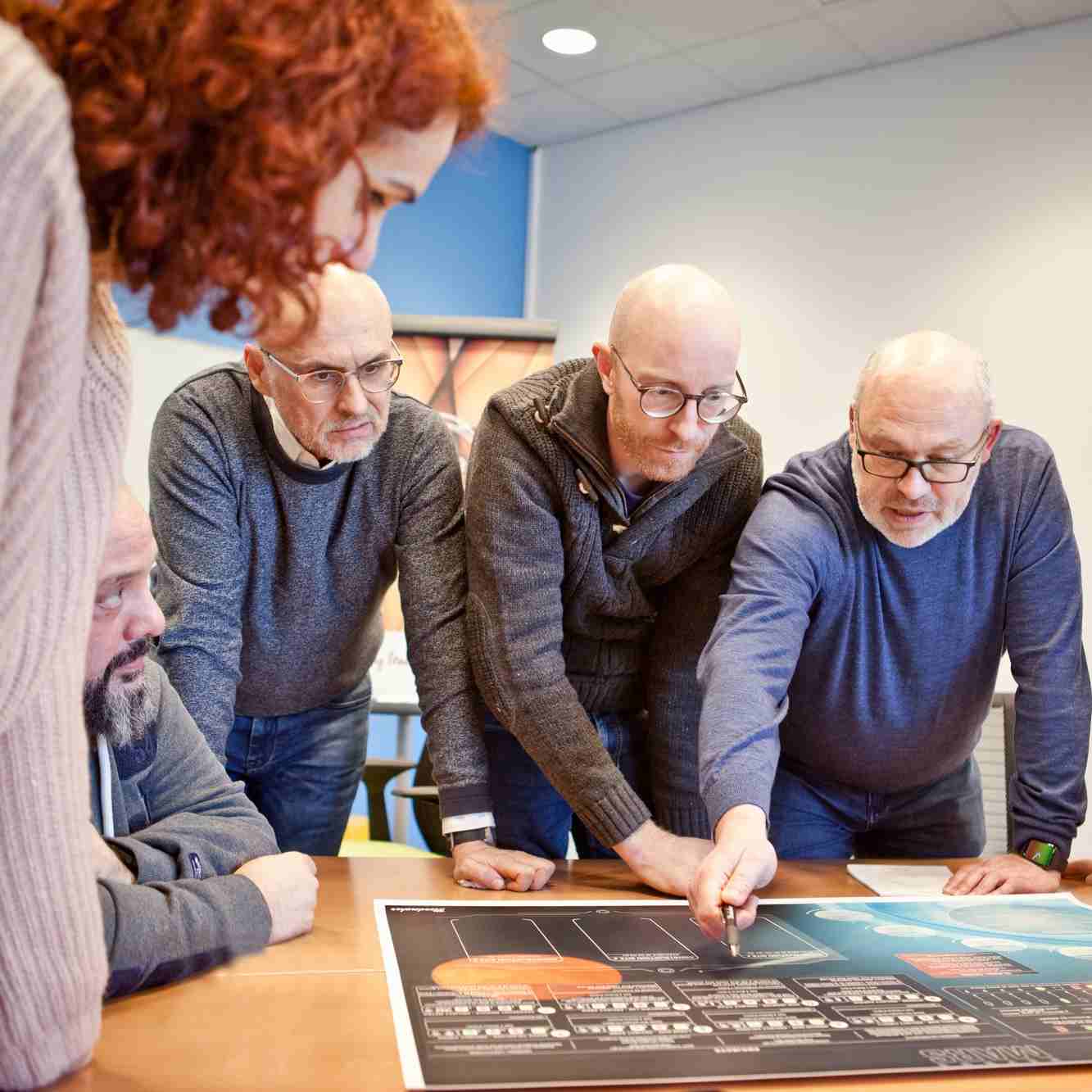

Team event or team developement? How companies choose the right format to boost motivation, foster collaboration and achieve measurable team results.
This is how you can demonstrate the impact of team-building events: with clear objectives, appropriate metrics and reliable data for HR and management.
Team conflicts rarely arise by chance – and they don’t simply disappear on their own just because everyone had a good time together. There are almost always specific reasons behind tensions within a team: unclear structures, differing communication styles, unspoken expectations or a lack of clear leadership.

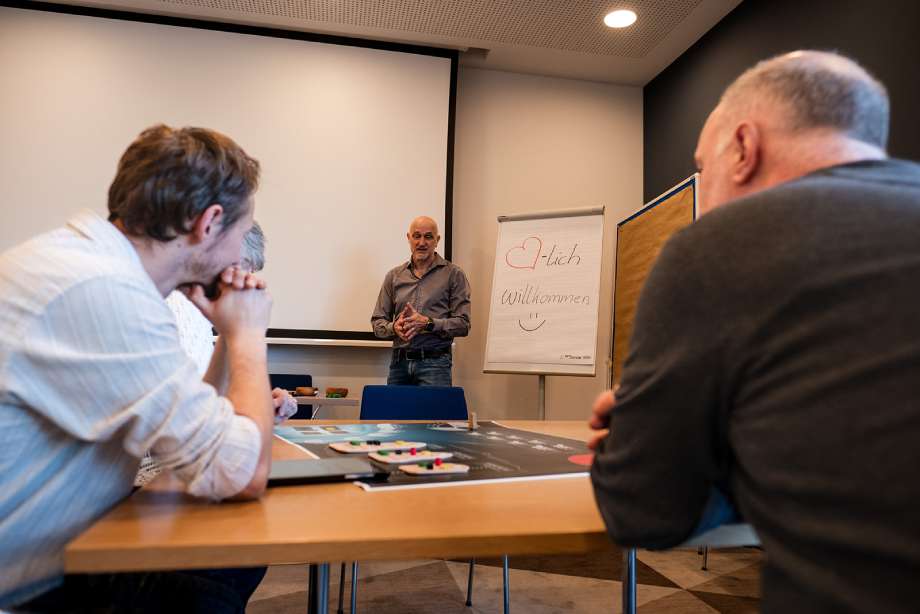
An off-site workshop designed to develop the team fosters focus, trust and clear collaboration – with structure, knowledge transfer and measurable results.
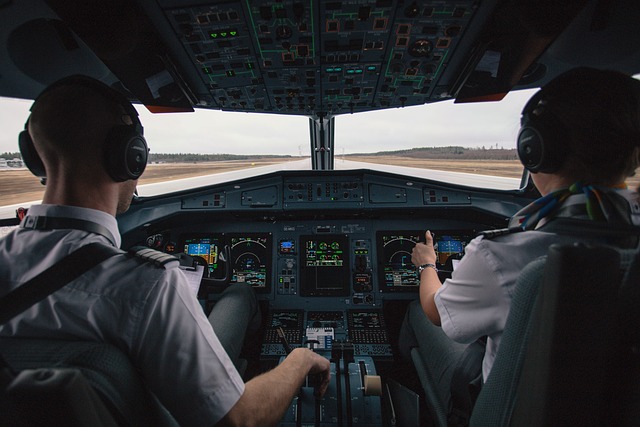
Artificial intelligence is changing not only the way we work, but also the way we think. This article explains why more and more people are shifting from being active decision-makers to mere ‘flight path checkers’ or even passengers – and why critical thinking is more important than ever in the age of AI.
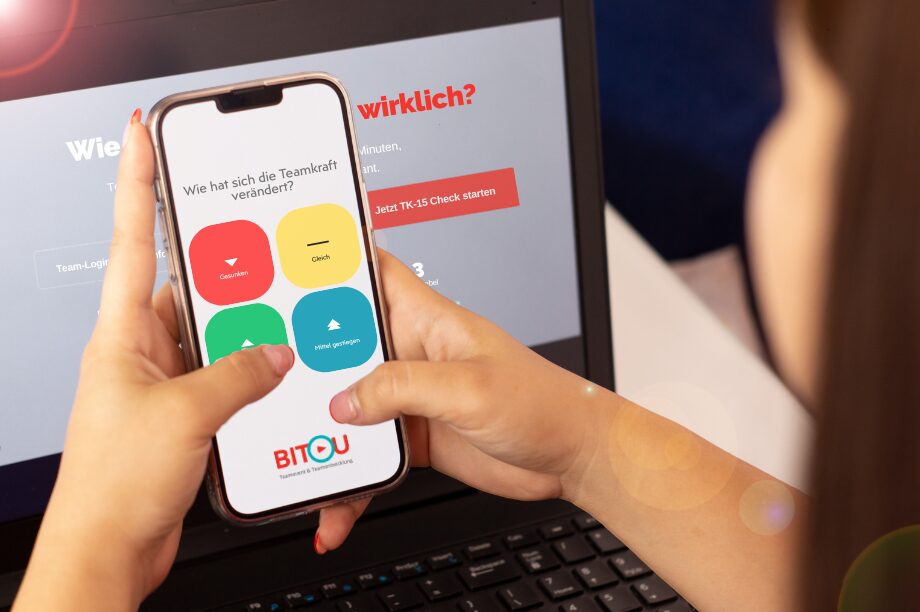
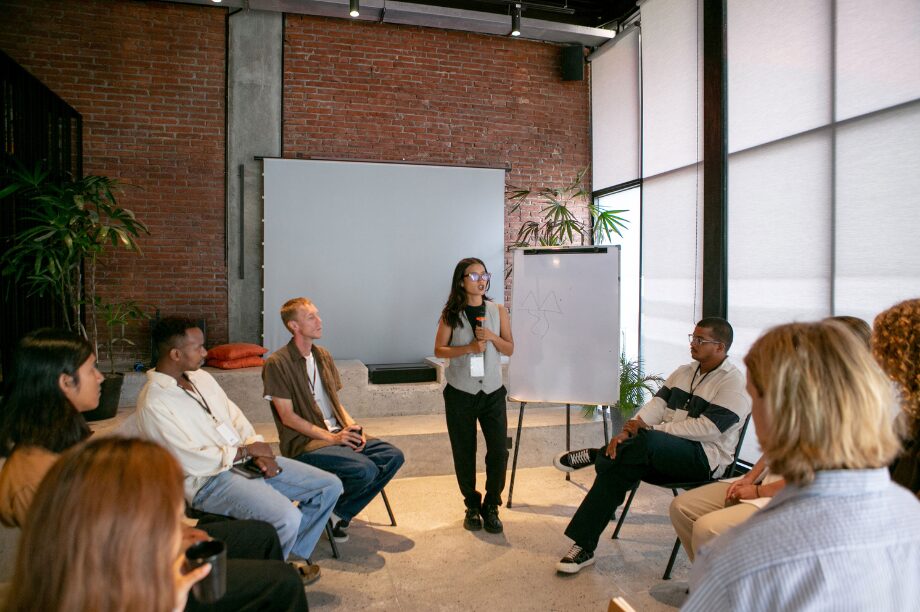
Teamkraft is more than just a tool for analysing collaboration. Teamkraft combines measurable data with the human aspect of teamwork and corporate culture. It lays the foundation for honest dialogue, targeted development and long-term business success.