

Planning and facilitating hybrid team-building events 2026
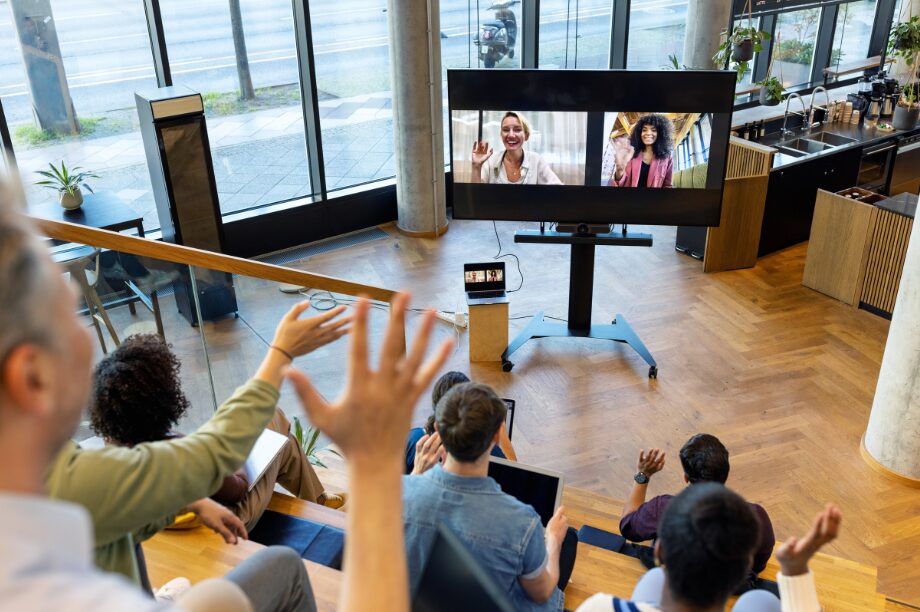
The world of work has undergone a permanent transformation: many teams now operate across different locations – some colleagues are in the office, others are working from home or are based in various locations around the world. Hybrid team building is therefore no longer just a stopgap solution, but a discipline in its own right that requires careful planning, the right formats and experienced facilitation. At BITOU, we have been helping companies bring their teams together for years – whether digitally, in person, or a combination of both. In this article, we’ll show you what matters in hybrid team building in 2026, which formats have proven successful, and how to plan an event that truly gets everyone on board.
What are the best team-building activities for remote teams?
The best formats for remote teams combine interaction, shared challenges and genuine fun – without letting physical distance become an obstacle. Facilitated online events, creative digital challenges and collaborative workshop formats have proven particularly effective. It is crucial that the format is suited to the team size, the company culture and the specific objective of the event.
Remote teams face a particular challenge: the spontaneous chats in the kitchen, shared lunches or brief small talk before a meeting – all of these are missing from the digital working day. This makes it all the more important to deliberately create opportunities for connection. In our day-to-day work, we find that the most successful online team-building events have three things in common: a clear structure, an experienced facilitator, and activities that require genuine collaboration.
Among the most popular formats we use for remote teams are:
Online crime fiction events: Teams work together to solve tricky puzzles in a digital environment. This encourages communication, logical thinking and team spirit, whilst being great fun. Here’s an example:Crime Time Online
Virtual cooking events: All participants cook at the same time in their own kitchens, whilst a presenter engages the group via video conference and guides them through the recipe with an exciting quiz. This creates a shared experience despite the physical distance. Ideal for this: our Gourmet Quiz Online
Digital scavenger hunts: Using apps or web-based platforms, teams take part in location-independent challenges that call for both creativity and strategic thinking. It’s all about excitement and physical activity:Black Out
Online workshops on communication and collaboration: These formats combine team-building with tangible benefits for day-to-day work – for example, through exercises on effective feedback or agile working. Our best-seller is also available online:Adventure Everest Online
Virtual pub quizzes and trivia games: Accessible, entertaining and inclusive – ideal for larger groups where not everyone knows each other personally. The best format for this:Best of Team Quiz
An important consideration for all digital formats is that the technology must run smoothly, and the facilitator plays a key role. An experienced facilitator keeps energy levels high, ensures that no one feels left out, and keeps the group engaged throughout. In all our online events, we ensure that group sizes and opportunities for interaction are chosen in such a way that everyone can participate actively – not just passively watching, but genuinely getting involved.
Which team-building activities work both online and in person?
Hybrid team-building solutions that involve both on-site participants and those joining remotely require particularly well-thought-out concepts. The best formats are designed in such a way that neither the group present on site nor the digital participants are at a disadvantage. Parallel activity structures, synchronised tasks and a dedicated facilitator for the remote audience are key elements in this regard.
Hybrid team-building is more challenging than purely digital or purely analogue formats – but that is precisely why it is particularly effective when done well. The key challenge lies in combining two fundamentally different types of experience into a coherent event. Those joining online must not feel as though they are merely watching whilst the group on site is having all the fun.
The following approaches have proven particularly successful in our practice for hybrid settings:
Hybrid challenges with parallel tasks: On-site and remote teams are given tasks of equal value but tailored to their respective locations, which are ultimately combined to produce a shared outcome. This fosters genuine interdependence and team spirit. The best example:Black Out hybrid
Facilitated group work using breakout rooms: Mixed teams of in-person and online participants work together in small groups – digitally in breakout sessions that take place in parallel with the on-site group discussions.
Interactive voting and quiz tools: Platforms such as Mentimeter or Slido make it possible to engage all participants at the same time – whether they are in the room or on screen.
Creative workshops using digital whiteboards: Tools such as Miro or MURAL enable genuine real-time collaboration. Everyone works on the same board – whether they’re sitting at a laptop or using a tablet in the meeting room.
Hybrid city tours and outdoor events:Remote participants are engaged via a live stream and interactive tasks, whilst the on-site group takes part in the activity in person. A well-designed task structure ensures that both groups are interdependent.
Another key factor in the success of hybrid team-building is the technology: a stable internet connection, high-quality cameras and microphones, and professional streaming set-ups are not optional extras, but essential. We support our clients not only with the planning and facilitation, but also with the technical preparations – because a drop in audio or a jerky video feed can ruin the entire event.
We also recommend carrying out a quick technical check with all participants before the event itself. This allows any issues to be resolved in advance, ensuring everyone can get started with peace of mind on the big day. Small organisational details such as a clear programme, timely reminders and materials sent out in advance also make a big difference – we know this from our experience of organising over 700 events a year.
Ultimately, hybrid team-building requires not just a technically skilled facilitator, but someone who can really read a group. Anyone who notices that online participants are becoming quieter or that the energy on site is waning must be able to react flexibly. Our facilitators are trained precisely for this – they bring both ‘worlds’ together and ensure that, in the end, everyone shares the same positive experience.
Planning successful hybrid team-building: the key steps
Careful planning is the foundation of any successful hybrid team-building event. By starting early, asking the right questions and involving everyone concerned, you lay the groundwork for an event that will be remembered.
We recommend the following steps when planning a hybrid team-building event:
Define your objectives: What do you want the event to achieve? Is it intended to strengthen team spirit, integrate new team members, mend fences following a conflict, or simply provide an opportunity to have fun together? The objective determines the format.
Analysing the participant profile: How many people are taking part? What is the ratio of in-person to remote participants? Are there different time zones? These factors have a significant impact on the choice of format, scheduling and technical setup.
Choose a format and a provider: Not every format is suitable for hybrid settings. It’s worth working with an experienced provider such as BITOU, who understands both worlds and offers formats that really work.
Sort out the technical details in good time: choice of platform, equipment, bandwidth, backup solutions – all of this must be sorted out in advance. A trial run is essential.
Communication and preparation for participants: clear information in advance, a schedule, technical instructions and – where appropriate – materials sent out beforehand ensure a smooth start.
Plan a follow-up: A brief follow-up after the event – whether it’s a group photo, a summary of the highlights or a short survey – prolongs the positive impact and shows that the event was taken seriously.
Conclusion
In 2026, hybrid team building will be one of the key challenges for companies that want to truly bring their teams together, regardless of where they are based. It requires well-designed formats, reliable technology and, above all, experienced facilitators who can seamlessly bridge the two worlds. At BITOU, we have gained extensive experience in designing and delivering hybrid events over the past few years, and we know that when all the elements are in place, hybrid team building is no less effective than a traditional in-person event – and sometimes even more effective, because it demonstrates that connection doesn’t require a shared physical space. Get in touch – we’ll find the right format for your team.

You might also be interested in

Planning company parties: Tips for unforgettable events
Whether it’s a festive Christmas party or a summer team event, a successful company party thrives on a clear structure, a varied programme and a harmonious setting. This article highlights the key elements for a successful event – and how they can have a lasting impact on the company.

It is high time to rethink employee motivation!
Whether we are motivated and efficient at work is strongly related to the DELIs. Whether teams realise their performance potential and whether it is fun to work in this team is also a result of motivation and appreciation.

Team Spirit in the Home Office – How we brought employees together worldwide
Team-Spirirt in the home office? The Summer Games made it possible. Read here how we have maintained the team spirit across different time zones and locations and strengthened the “we” feeling among the employees in the home office.