

Motivation through appreciation

While employee A likes to receive praise and recognition and is therefore motivated to complete the tasks at hand, it is important to colleague B that you take time for him when he has a concern. There are numerous ways to motivate employees and colleagues. One very effective method of motivation is appreciation. But what exactly should this appreciation look like, and what language of appreciation should I use when talking to my employees or colleagues? After all, each of us wants to be addressed in a different “language.”

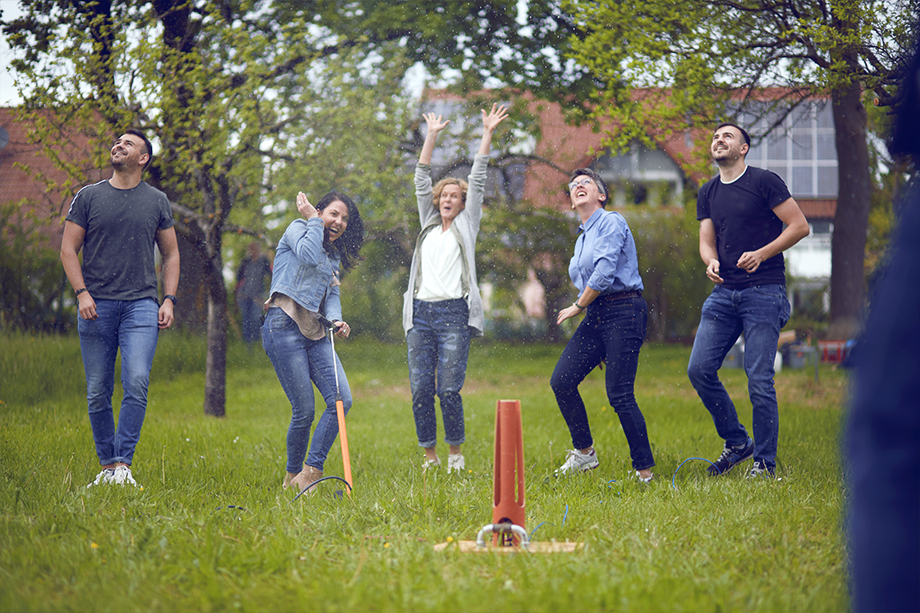
Teamevent outdoor


Chapman & White have conducted extensive research on this topic and compiled five languages of appreciation in a professional context. We have slightly adapted these five languages for motivation through appreciation to our work culture:

  • Praise and recognition
  • Taking time
  • Helpfulness
  • Gifts
  • Trust (my boss/my colleague trusts me)

Perhaps you already know your own language or that of your employees? If not, it’s worth filling out the short questionnaire with only 25 questions to learn more about motivation through appreciation.

What role do intrinsic motivators play in this?

Motivation through appreciation is particularly effective when employees are already intrinsically motivated. But what are my employees’ deeply embedded life interests (DELIs)? Knowing this is crucial to the success of a team. The goal is to assign each individual employee as many tasks as possible that intrinsically motivate them. Your team’s performance will improve significantly and at the same time, staff turnover will decrease as employees become absorbed in their tasks. Now it is important to use the right language of appreciation, because a colleague who wants “helpfulness” may not feel addressed at all by praise.

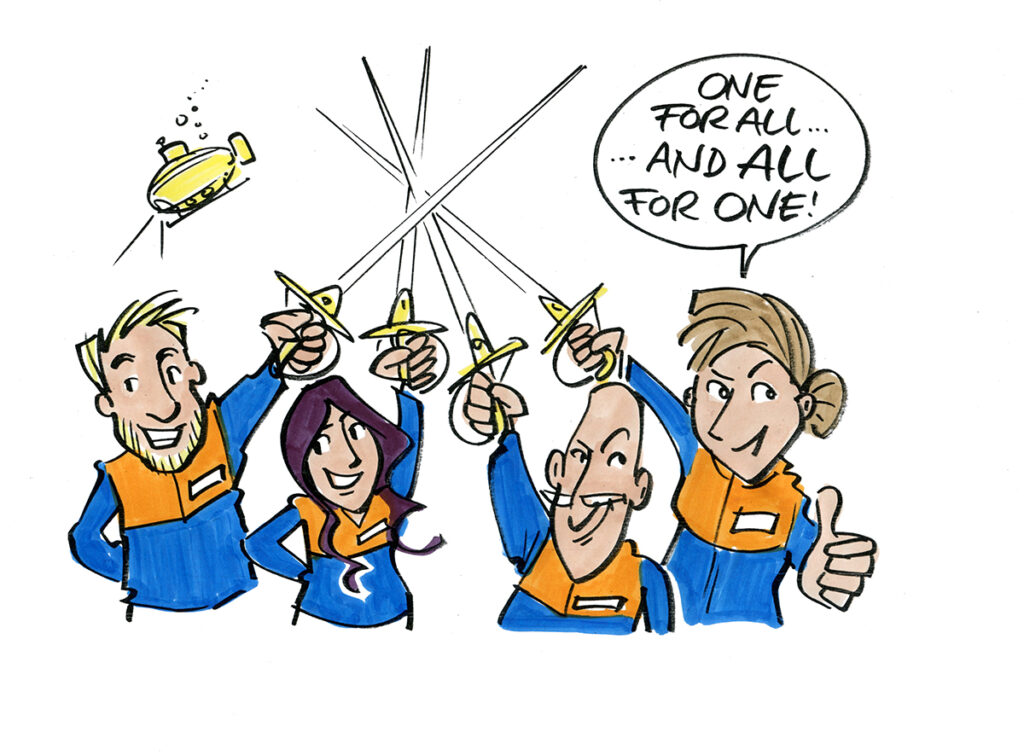
In our teamcoaching product Deep Sea Expedition, we use a playful approach to identify the DELIs and languages of appreciation for each individual participant and practice how to use them.

HR Deep Hilfsbereitschaft RZBUw 72

Suitable team development measures for motivation

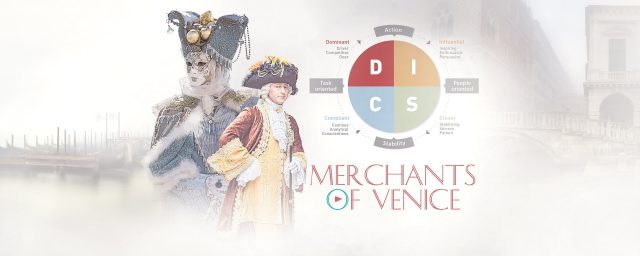
Merchants of Venice – team development practice
7 – 300
120 – 240 min (without reflection)
Face to Face

Merchants of Venice – team development practice

In “Merchants of Venice,” teams experience how clever negotiation, strategic role allocation, and joint decision-making increase their motivation in the Venetian market game. This creates positive dynamics and noticeable cohesion.

Details
Rome – team development workshop
7 – 300
180 – 240 min (without reflection)
Face to Face

Rome – team development workshop

In Rome, teams learn how motivation arises from clear leadership, structure, and responsibility. Strategic action and joint action create pride, cohesion, and lasting motivation.
Details
Adventure Everest
8 – 400
180 – 240 min
Virtual | Hybrid | Face to Face

Adventure Everest

In Adventure Everest, motivation grows out of courage, team spirit, and clear communication. When the team climbs the summit together, trust, responsibility, and a sense of achievement create momentum – which brings about change.
Details

Drag and drop the statements into the correct order. The top statement applies to me the most, and the bottom statement applies to me the least.

Oops! We could not locate your form.