Team performance is crucial to a company’s success. A strong, harmonious team can tackle challenges more quickly and creatively, which leads directly to better results. Our team performance workshop offers your team the opportunity to gain valuable insights into how they work, improve communication and strengthen mutual trust. In doing so, you will not only boost your employees’ productivity and satisfaction, but also secure your company’s long-term success. Seize the opportunity to take your team to the next level!
At the start of the workshop, our experienced, qualified trainers provide in-depth knowledge and insights into the fundamentals of team performance. You will learn which factors are crucial, how to promote effective communication, resolve conflicts constructively and optimise team dynamics. A solid understanding is established through clear examples and practical explanations.
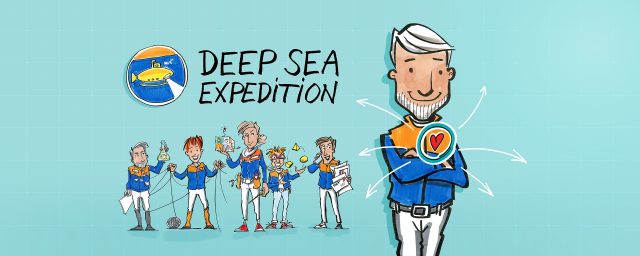
In the second part, you will put what you have learnt into immediate practice. One of our team development activities brings the BITOU concept to life: interactive simulations make the theoretical principles come alive and tangible. The team is challenged to find creative solutions and strengthen their collaboration. These practical experiences consolidate the knowledge gained and promote team building in a playful way.
Finally, we will reflect together on the experiences and outcomes of the workshop. Through targeted reflection sessions and facilitated discussions, we will develop concrete strategies and tools to integrate these new insights into your day-to-day work in a sustainable way. You will receive practical tips on how to continuously improve team performance and optimise collaboration in the long term.
Benefit from our many years of experience and the tried-and-tested methods of our qualified trainers. With BITOU, you’ll experience team performance not just in theory, but also in a practical and application-oriented way. Our workshops make complex topics accessible and encourage direct application in day-to-day work. Boost your team’s efficiency and satisfaction, thereby ensuring the long-term success of your business.

Team performance refers to the effectiveness and efficiency with which a team works together to achieve goals and complete tasks. It encompasses aspects such as collaboration, communication, problem-solving skills and mutual trust. For businesses, high team performance means increased productivity, innovative solutions and an improved working atmosphere. A high-performing team can respond more quickly to challenges and makes a significant contribution to the company’s long-term success and competitiveness.
Team performance describes a team’s ability to work together effectively and achieve shared goals. It depends on various factors, including clear communication, shared goals, trust and effective conflict management.
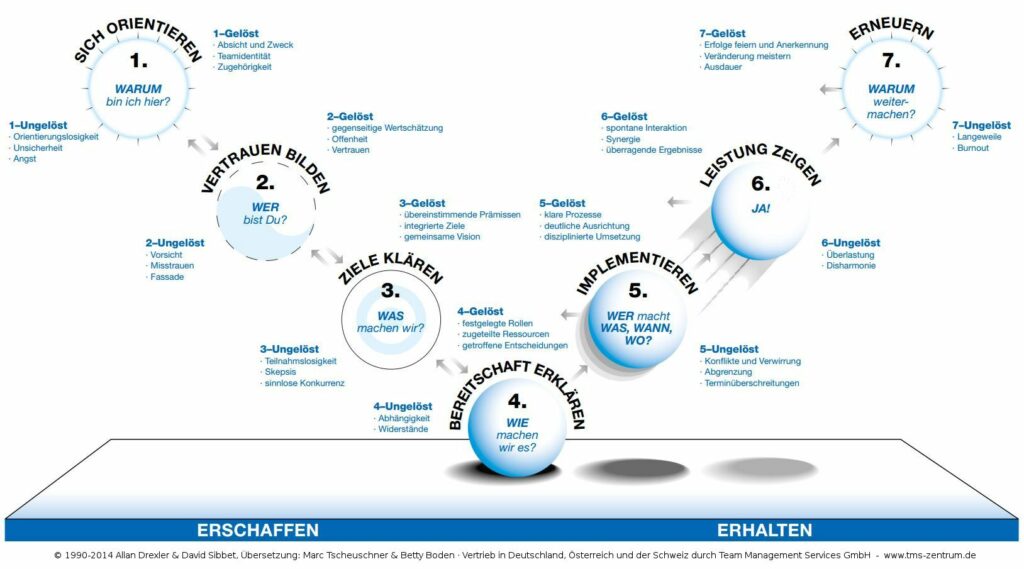
The Team Performance Model by Sibbet/Drexler offers a structured method for improving team performance. It consists of seven phases: orientation, trust-building, goal and role clarification, commitment, implementation, high performance and renewal. Each phase addresses specific challenges and facilitates the transition to higher levels of performance by helping teams systematically improve their collaboration and efficiency.

It is important to understand this model because it provides a clear roadmap for team development. It helps teams to recognise typical stages of development and to work specifically on the necessary changes. By understanding and applying the model, teams can better manage their dynamics, identify obstacles at an early stage and overcome them more effectively. This paves the way for high team performance, which is crucial for a company’s long-term success and competitiveness.

Team performance is enhanced by various positive factors. Clear communication and transparent goal-setting ensure that all team members are on the same page and work together towards defined objectives. Regular, constructive feedback promotes continuous improvement and personal development. Trust and mutual support create a working environment in which everyone feels secure and valued. Furthermore, well-defined roles and responsibilities play a crucial role, as they bring clarity and structure to the team. Team-building activities and ongoing training opportunities strengthen team dynamics and ensure that the team remains up to date and can work together effectively.
Several factors can significantly impair team performance. A high degree of bureaucracy and rigid hierarchies often prevent rapid decision-making and creative solutions. A lack of motivation and commitment among team members leads to low productivity and a lack of dedication. Inefficient work processes and inadequate resource allocation can hinder workflows. Furthermore, cultural differences and a lack of diversity within the team can lead to misunderstandings and conflicts. An authoritarian management style that leaves little room for initiative can severely limit employees’ innovative capacity and commitment. It is crucial to identify and address these factors in order to optimise team performance.

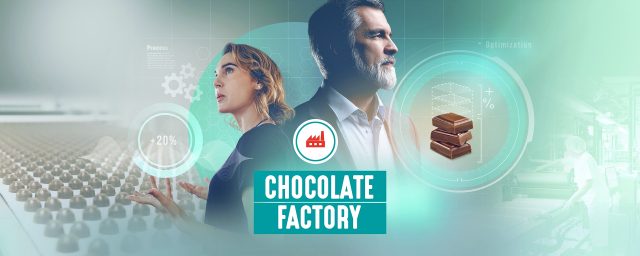
During the workshop, the practical activity modules, such as The Chocolate Factory, ensure that participants experience their first practical examples. This module enables teams to put what they have learnt into practice in a controlled environment, to overcome challenges together and thus to anchor the theoretical concepts in practice. This creates an important foundation on which team members can continue to build in their day-to-day work.
Our qualified trainers, such as Felix Neugebauer, not only assist participants during the workshop, but also support them in applying what they have learnt in their day-to-day work. They provide valuable tips and strategies on how the new methods and approaches can be applied on an ongoing basis. Particular emphasis is placed on concrete recommendations for action, which facilitate the transfer of knowledge and ensure that what has been learnt is not forgotten but actively used in day-to-day work.
Good team performance is an ongoing process that unfolds in day-to-day working life. It is therefore essential that the team works together on this implementation. Only in this way can the full impact of the workshop be realised. Regular reflection, feedback sessions and adjustments to the team’s specific needs ensure that the new approaches are firmly embedded in day-to-day work. This is crucial for sustainably improving the team’s collaboration and performance in the long term.
Transferring these methods into day-to-day work is the key to a sustainable increase in team performance. Without this transfer, what is learnt in the workshop often remains purely theoretical. It is only through targeted application and continuous work in everyday practice that the true impact of the new methods and approaches becomes apparent. That is why, in our workshops, we place great emphasis not only on imparting knowledge to participants, but also on providing them with intensive support in putting it into practice. This ensures that the positive effects of the workshop are sustained and that the team works together more successfully in the long term.